
The top of the chimney needs protection
An uncapped chimney is open to rain, snow, leaves, and animals. For New York brownstones and row houses, that exposure can create odor, blocked draft, rusted dampers, interior staining, and avoidable masonry damage. The chimney cap is a small, inexpensive part of the system, but it does most of the work of keeping everything below it—the flue, the liner, the damper, and the firebox—dry and functional.
What a Missing or Damaged Cap Actually Costs You
Homeowners often don't notice a missing or rusted-through cap until a bigger problem shows up. Left unprotected, an open flue tends to lead to a predictable chain of issues:
- Rainwater soaking into the smoke chamber and firebox, leading to rust on the damper and staining on the ceiling near the fireplace
- Freeze-thaw damage inside the flue liner during New York winters, since trapped moisture expands as it freezes
- Birds, squirrels, and raccoons nesting in an open flue, which can block airflow or introduce fire risk
- Downdrafts that push smoke and odor back into the living space, especially on windy days between buildings
Most of these issues are cheaper to prevent with a cap than to repair after the fact.
Caps Reduce Common Service Calls
A properly fitted stainless steel or copper cap helps keep water out, blocks birds and debris, reduces downdrafts, and adds spark protection for dense city blocks where homes sit close together. It's one of the simplest upgrades that pays for itself by preventing calls for water damage, animal removal, or masonry repair down the line.
Fit Matters
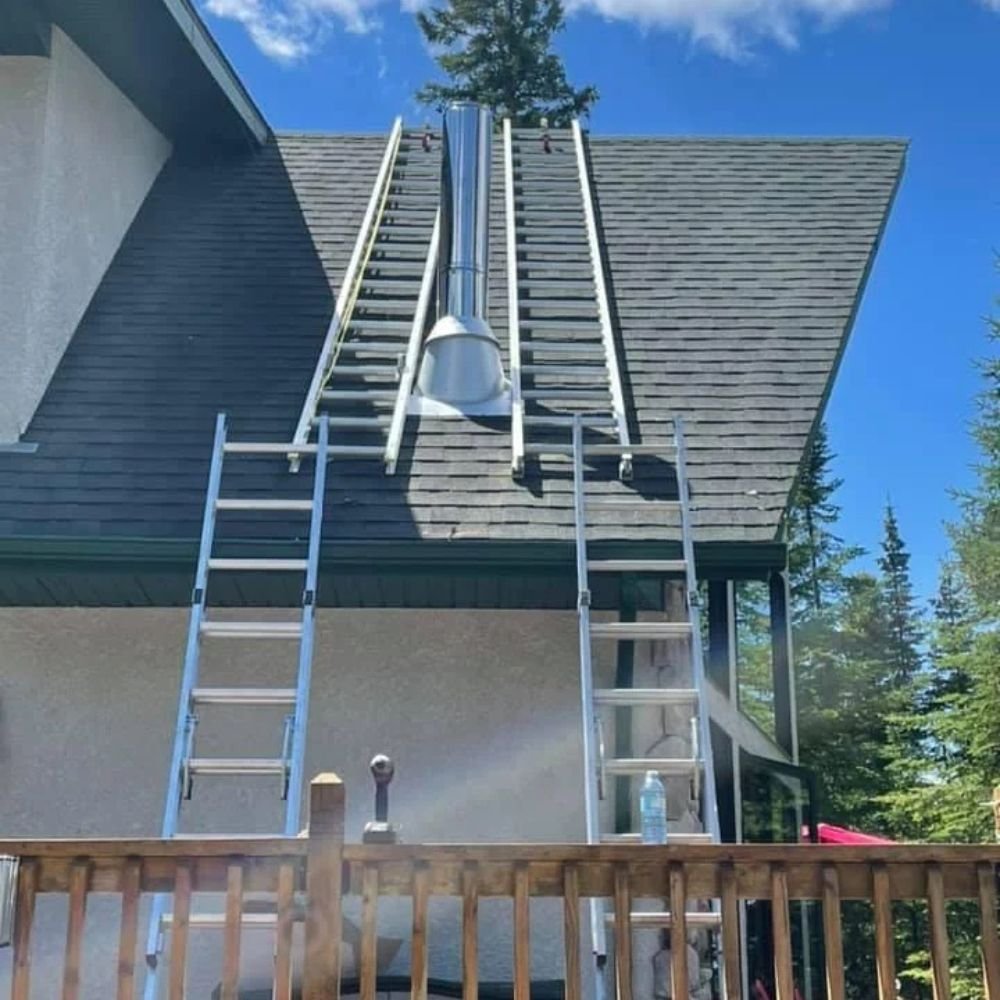
Single-flue, multi-flue, custom, and wind-resistant caps all solve different problems. A technician should measure the chimney, inspect the crown, and match the cap to the flue and exposure conditions—a cap that's the wrong size or style won't seal properly and can still let water and debris through. This is especially true on older New York properties with irregular or multi-flue chimneys, where an off-the-shelf cap often doesn't fit correctly. See our chimney cap installation service for how we size and install caps for New York homes.
Frequently Asked Questions
How long does a chimney cap last? A quality stainless steel or copper cap can last well beyond a decade with normal exposure, though coastal or heavily wind-exposed properties may see faster wear.
Can a cap be installed without a full inspection? We recommend a quick check of the crown and flue condition first, since a cap installed over an already-damaged crown won't solve the underlying leak.
Does every chimney need a cap? Yes—any active or inactive flue benefits from a cap; an unused flue without one is still an open path for water and animals.
Need chimney help?
Call (917) 914-7316 or request an estimate online.